Home » MVA Services » Electrical Testing & Diagnostic Services » Sweep Frequency Response Analysis (SFRA)
A transformer can experience significant physical stress during a fault, transportation, or relocation. Even when its exterior appears undamaged, questions may remain about the condition of its internal components. Sweep frequency response analysis (SFRA) helps investigate those concerns by measuring the transformer’s electrical response across a range of frequencies.
MVA provides SFRA testing as part of our transformer electrical testing and diagnostic services, helping equipment owners evaluate possible internal changes and determine where further investigation may be needed.
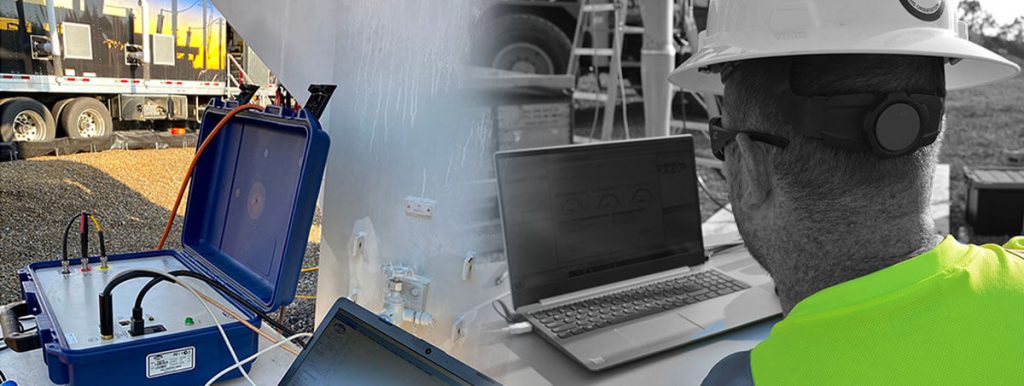
SFRA applies a low-voltage signal across a range of frequencies and records the transformer’s response. The resulting curves reflect the electrical characteristics of its internal structure. Movement or deformation can alter those characteristics, producing differences from a suitable reference measurement.
These differences can help identify possible winding displacement, winding deformation, core movement, or changes involving internal connections and clamping structures. Interpreting the curves requires experience and an understanding of the transformer’s construction and test conditions.
SFRA is especially useful when a specific event raises concerns about a transformer’s mechanical condition:
After transportation or relocation: Comparing measurements before and after movement can help investigate possible shipping or handling damage.
Following a fault: Short-circuit forces can place substantial mechanical stress on windings and their supporting structures.
During installation and commissioning: Testing can establish a reference for future evaluations and support comparisons with suitable factory records.
When other findings warrant investigation: SFRA can contribute to a broader diagnostic assessment when the equipment’s history or other test results suggest an internal concern.
SFRA results are most useful when suitable factory or previous measurements from the same transformer are available. Those records allow technicians to evaluate how the response has changed over time or following a particular event.
The transformer’s configuration also matters. For example, measurements taken in a shipping configuration may differ from measurements taken after assembly and oil filling. Understanding those differences helps prevent configuration changes from being mistaken for damage.
If historical records are unavailable, comparisons between phases or with a suitably similar transformer may still provide useful information. However, construction differences must be considered, and these comparisons have limitations. New measurements can also establish a reference for future testing.
A difference in an SFRA curve does not automatically confirm a specific defect. Findings need to be evaluated alongside the transformer’s history, available reference data, and other diagnostic results.
MVA brings transformer field experience and electrical testing capabilities together to support that evaluation. Depending on the concern, the investigation may include additional electrical testing, oil diagnostics, or inspection to develop a clearer understanding of the equipment’s condition.
Whether your transformer has been transported, experienced a fault, or needs a baseline assessment, our team can help determine how SFRA fits into the testing plan.
Contact MVA to discuss SFRA testing or request a quote for transformer electrical diagnostic services.

TRANSFORM. INFORM. ADJUST. DIRECT. PROGRESS.