Home » MVA Services » Electrical Testing & Diagnostic Services » Transformer Turns Ratio (TTR) Testing
Transformer turns ratio (TTR) testing checks whether a transformer’s measured winding ratios match the expected values at each tested tap position. It helps identify potential winding or tap changer concerns and supports verification of winding connections after installation or repair.
At MVA, our transformer experts provide TTR testing as part of our comprehensive electrical testing and diagnostic services. Whether you are commissioning a transformer, planning scheduled transformer maintenance, or investigating an unexpected result, we help you understand the findings and determine appropriate next steps.
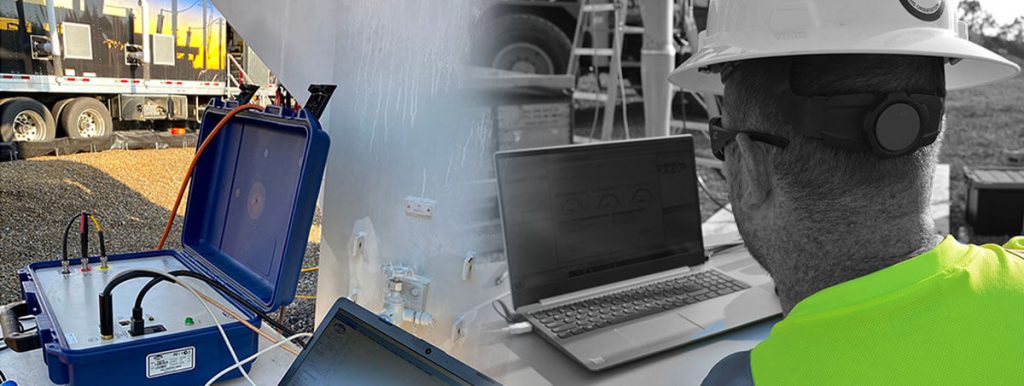
A transformer changes voltage through the relationship between the turns in its windings. TTR testing evaluates that relationship by applying a controlled AC test voltage and measuring the resulting voltage ratio between windings. Results are compared with expected values based on the transformer’s nameplate information, winding configuration, and tap position.
These measurements help verify that the transformer’s winding ratios are consistent with its intended design. Depending on the test equipment and procedure, testing can also evaluate polarity and phase relationships.
Tap changers adjust the effective number of winding turns to change the transformer’s voltage ratio. Checking the applicable tap positions helps determine whether the measured ratios follow the expected progression.
A result that differs from the expected ratio may warrant investigation into tap position, winding connections, or possible winding defects. TTR testing can help identify shorted turns and an incorrectly positioned de-energized tap changer.
MVA evaluates findings in the context of the transformer’s configuration, available historical results, and other diagnostic information. An unexpected reading requires interpretation before a repair decision is made.
TTR testing can support several stages of a transformer’s service life:
Documented results also provide a reference for future assessments, helping maintenance teams track the transformer’s condition over time.
A ratio measurement provides valuable information, but it does not establish the condition of every transformer component. A satisfactory TTR result alone cannot confirm overall transformer health.
Depending on the concern, MVA may evaluate TTR findings alongside winding resistance, excitation current, power factor and capacitance, insulation resistance, or sweep frequency response analysis (SFRA). Oil diagnostic results can provide additional context when investigating an operating transformer.
Together, these findings help build a clearer picture of the equipment’s condition and guide further testing, maintenance, or repair.
MVA brings transformer oil testing expertise and field experience together to support your equipment throughout its service life. Our services include transformer assembly, commissioning, electrical diagnostic testing, scheduled maintenance, tap changer services, and field repairs.
That experience helps us connect test findings with practical recommendations. If testing identifies a concern, our team can help determine the next steps and support the field work needed to address it.
Whether you need testing for a new installation, a scheduled outage, or verification after repairs, MVA can help.

TRANSFORM. INFORM. ADJUST. DIRECT. PROGRESS.