Home » MVA Services » Resonant Test Set » Substation Commissioning Resonant Testing
Substation commissioning brings together installation checks, electrical testing, protection verification, and documentation to establish whether equipment is ready for service. When specified for the project, high-voltage resonant testing provides an AC insulation withstand test as part of that process.
Its value depends on more than completing the test. The equipment must be prepared correctly, the test must fit the approved commissioning plan, and the results must be reviewed before energization.
MVA’s transformer field experience helps customers coordinate applicable high-voltage testing with assembly, electrical diagnostics, and other project activities.
Acceptance testing evaluates installed equipment against the requirements established by the owner, manufacturer, and project specifications. Commissioning extends that review to how the equipment and associated systems are prepared to operate together.
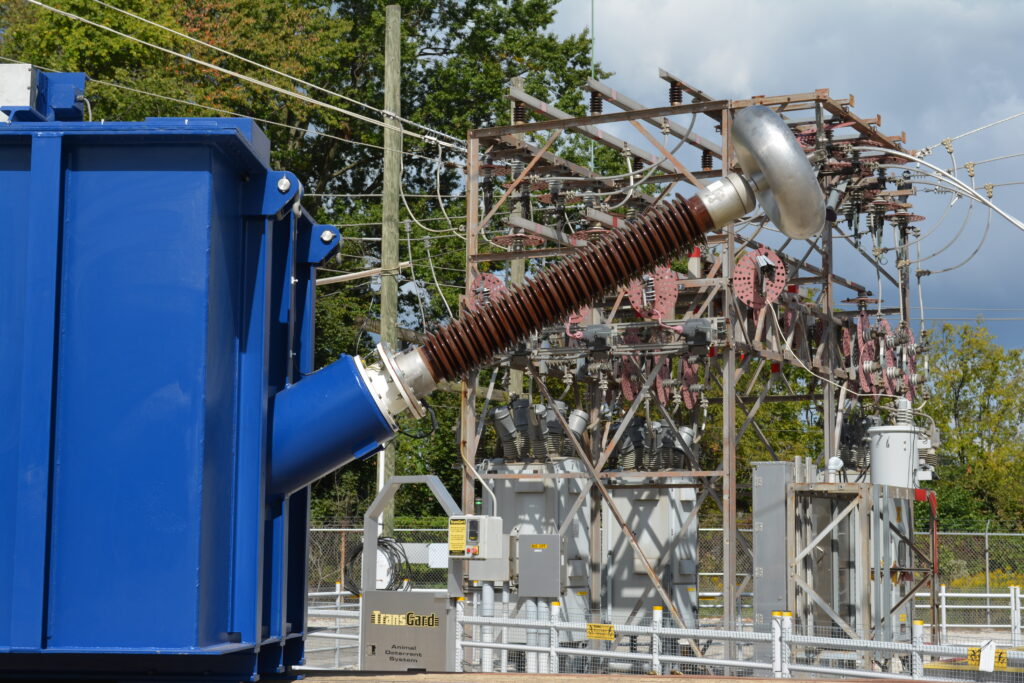
A resonant test system can supply the high AC voltage required for an applicable insulation withstand test. Depending on the equipment and available test configuration, this may involve a power transformer, high-voltage cable circuit, or gas-insulated switchgear installation.
The test evaluates whether the insulation included in the arrangement sustains the specified voltage for the required duration without breakdown. It contributes to the acceptance record, but it does not establish that every part of the substation is ready to operate.
The need for resonant testing should be determined during commissioning planning. It is not automatically required for every installation.
A clearly defined scope helps prevent delays once equipment and personnel arrive at the site. The commissioning team should identify the asset to be tested, the purpose of the evaluation, and the approved test procedure.
Planning should address:
Equipment identification, ratings, and insulation design.
Manufacturer instructions and applicable project requirements.
Required test voltage, frequency, duration, and acceptance criteria.
Test connections and the boundaries of the insulation being evaluated.
Whether partial discharge measurements are included.
Witnessing requirements and responsibility for reviewing results.
For transformers, the plan must distinguish between applied-voltage and induced-voltage testing. These methods stress different portions of the insulation system and require suitable equipment and procedures.
Confirming these details early allows the testing provider to evaluate system suitability and identify any additional preparation needed.
Resonant testing is one part of a broader commissioning program. Other tests answer different questions about the equipment and should be selected according to the project scope.
For a power transformer, related evaluations may include turns ratio, winding resistance, power factor and capacitance, insulation resistance, and sweep frequency response analysis. Oil testing may also provide information about the insulating fluid before energization.
Elsewhere in the substation, commissioning may include circuit breaker testing, instrument transformer checks, relay testing, and verification of protection and control circuits.
The testing sequence should follow approved procedures and account for equipment connections, preparation requirements, and findings that could affect subsequent work. A concern identified during preliminary checks may require investigation before high-voltage testing proceeds.
Coordination also reduces repeated disconnection and reconnection work while helping ensure that each test is performed under suitable conditions.
The resonant test itself is only one portion of the required field time. Mobilization, equipment setup, isolation verification, testing, discharge and grounding, removal of temporary connections, and restoration all need space in the schedule.
For liquid-filled transformers, readiness may depend on completion of assembly, vacuum filling, and any manufacturer-required settling or preparation period. Cable and switchgear testing likewise depend on completion of the installation steps required by their approved procedures.
A practical schedule should account for:
Site access and space for the test equipment.
Availability of a suitable power supply.
Completion of prerequisite installation work.
Required outages or isolation from adjacent equipment.
Coordination with contractors working nearby.
Availability of owner or manufacturer representatives.
Time to investigate unexpected results and review reports.
Establishing a readiness checkpoint before mobilization can help avoid bringing a test crew to equipment that is still being prepared.
High-voltage testing requires a controlled work area and clear communication with site personnel. The equipment under test must be isolated as required, and connected components must be evaluated to determine whether they should remain within the test circuit.
Temporary test leads, grounding arrangements, clearances, and access restrictions must follow the approved procedure. Nearby work should be coordinated so personnel do not enter the test area or alter equipment connections during testing.
After the test, the equipment must be discharged and grounded as required before personnel approach or change connections. Restoration checks should confirm that temporary test arrangements have been removed and permanent connections returned to their intended configuration.
The commissioning record should make it clear what was tested, how the test was performed, and whether the results met the established criteria.
A resonant testing report should identify the equipment and test connections, applied voltage, frequency, duration, relevant conditions, and observed results. Where partial discharge measurements are included, the report should also document the measurement arrangement and findings.
Any deviations, interruptions, unexpected behavior, or corrective actions should be recorded and reviewed. Outstanding issues need an agreed disposition before the responsible project authority approves energization.
A successful withstand result confirms performance under the specified test conditions. Final readiness also depends on the rest of the commissioning program, including protection and control verification, equipment restoration, and completion of required reviews.
MVA supports transformer projects with field services, electrical diagnostics, and in-house oil analysis. That combined experience helps customers connect testing requirements with installation milestones and the information needed for acceptance.
If resonant testing is specified for your substation project, share the equipment details, approved test requirements, site location, and anticipated energization date. Our team can review the scope, confirm available capabilities, and coordinate the work with your commissioning schedule.
We also offer short- and long-term resonant test system rentals, including our RTD100-1000X. Explore our rental options and contact us for availability and pricing.
TRANSFORM. INFORM. ADJUST. DIRECT. PROGRESS.